
Best Greece Tours: How To Choose With Confidence
Greece tours give every traveler an easy way to see the country’s best places. Couples, families, friends and solo visitors all find a tour style that suits their pace, budget and mood. Each region adds its own flavor and charm.
This guide from My Greece Tours walks through the Cyclades, the capital, Crete and the wider islands, and ancient Greece. Each part covers what to see, which tour styles exist and what comes with them, so planning feels simple.
Which Greece Tours In The Cyclades Do Travelers Remember?
Boat cruises with swim stops, private tours and snorkel trips stand out in the Cyclades. White villages and clear water make every stop easy to remember. Readers can also compare more options through Greece tours and Tours In Greece.
Which sights make the Cyclades special?
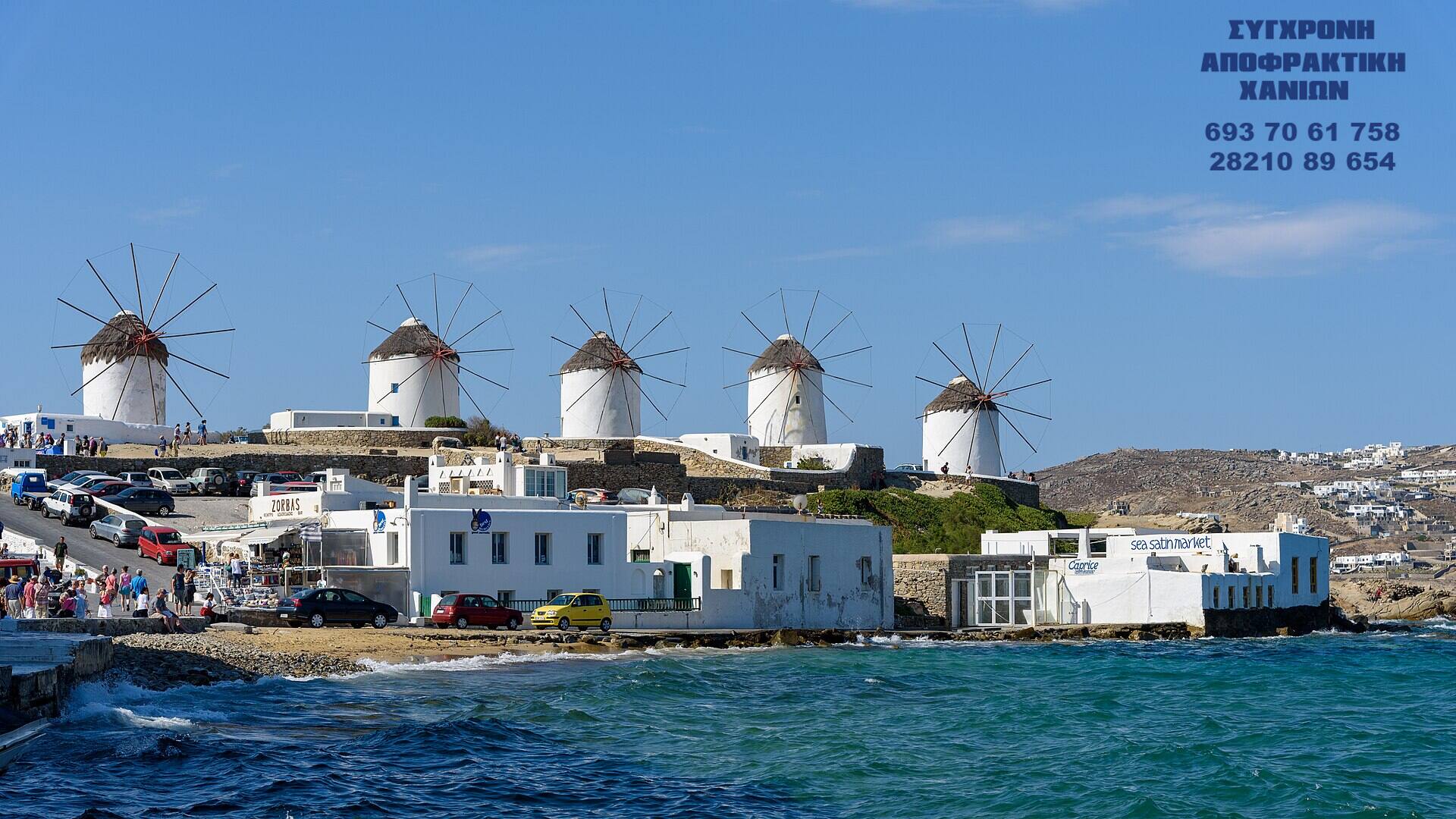
The cliff villages of Santorini glow white above a deep blue bay, and sunset turns the whole view warm gold. Mykonos is famous for its windmills on the hill, while Delos, an island sanctuary, holds ancient ruins and colorful mosaics.
Milos hides sea caves where pale rock glows in the clear water. Naxos has an old town of narrow lanes beneath a hilltop castle. The harbour of Naoussa on Paros fills with small fishing boats and seaside tables at dusk.
Which Greece tours make the Cyclades easy?
Private tours with a driver-guide or skipper carry one fee for the whole vehicle or boat, which suits couples, families and friends. Boat cruises with swim stops suit anyone who loves the sea, fresh air and a cool dip.
Full-day trips from Athens by coach suit first-time visitors with a short stay and a long wish list. Snorkel and beginner scuba trips reward curious swimmers, and cooking classes and wine tastings suit solo travelers who like to meet people.
What comes with Greece tours in the Cyclades?
Many tours include lunch or a BBQ meal on board or by the shore, so nobody hunts for a table. Drinks, sometimes unlimited, keep everyone cool in the island heat. Both matter when shops are far from the beach.
A licensed or local guide explains each sight, and snorkel gear is ready at every swim stop. Free time to explore and wine tastings let travelers set their own rhythm. Nobody needs to buy, rent or carry extra equipment.
How do you avoid stress in the Cyclades?
Book an early start to beat the heat and the crowds at ports. Pack sun cream, a hat, a light jacket for the boat and shoes that grip wet decks.
Check the wind forecast before sailing. Wear swimwear under your clothes, and bring a dry towel and some cash for small souvenirs. A relaxed plan keeps the day light.
Which Greece Tours In The Capital Give Good Value?
Guided walking tours and private tours give the best value in the capital. One local expert links the big sights in a sensible order and saves precious time. Greece tours here also add boat cruises and cooking classes for variety.
Which sights make the capital special?
The Acropolis hill carries ancient temples high above the city, and the view reaches the sea. The Theatre of Dionysus on its slope is where Greek drama was staged. The Acropolis Museum below shows statues and carvings from the hill.
The Roman Agora holds the Tower of the Winds, an ancient weather station. Hadrian’s Arch stands close to the leafy National Garden. Psyrri is the old quarter of lively lanes, and Cape Sounion offers a temple above the blue sea.
Which Greece tours make the capital easy?
A private tour with a driver-guide or skipper sets one fee for the whole vehicle or boat. That suits families and friends who like to travel together. Guided walking tours suit first-time visitors who want the story behind every stone.
Boat cruises with swim stops give couples a cool break from the city. Cooking classes and wine tastings suit solo travelers who like to taste what they see. Together they mix ancient stone with fresh sea air and local food.
What comes with Greece tours in the capital?
A licensed or local guide turns old stones into stories and answers questions on the spot. Lunch or a BBQ meal on a cruise keeps energy high through a busy day. Good guides pick shady spots for the long stories.
Drinks, sometimes unlimited, ease the summer heat, and wine tastings let travelers try local bottles. Swim stops on boat trips turn a sightseeing day into a holiday. Each perk saves effort, so travelers can focus on the views and fun.
How do you avoid stress in the capital?
Visit the Acropolis hill early or late, when the light is soft and the heat is lower. Mornings stay quiet. Wear shoes with grip, because the old marble is slippery.
Carry water, a hat and a light scarf. Readers who watch spending will like these budget travel tips for Athens. A shaded break restores energy between the big sights.
Why Book Greece Tours In Crete And Beyond?
Crete and the wider islands are big and spread out, so a planned tour saves time and stress. Guides, coach seats and boat decks do the hard work for you. Travelers simply choose a style, then enjoy the view.
Which sights make Crete and beyond special?
The palace of Knossos brings the legend of the Minotaur to life with painted walls and winding halls. Chania old harbour charms visitors with its Venetian lighthouse, and the lagoons of Balos and Elafonisi shine in shades of soft turquoise.
Rhodes has a medieval Old Town ringed by stone walls, and Lindos stacks whitewashed houses beneath a hilltop acropolis. Corfu old town winds through shady arcades and sunny squares, and Navagio on Zakynthos is a shipwreck cove with white cliffs.
Which Greece tours make Crete and beyond easy?
Private tours with a driver-guide or skipper carry one fee for the whole vehicle or boat and suit families and friends. Boat cruises with swim stops reach quiet beaches that roads cannot. Couples gain more privacy and a flexible plan.
Greece tours also include full-day trips from Athens by coach and guided walking tours for history fans and families. Entry tickets suit travelers who explore at their own pace, while cooking classes and wine tastings suit couples who love food.
What comes with Greece tours in Crete and beyond?
Lunch or a BBQ meal after a swim stop keeps boat days relaxed, and drinks, sometimes unlimited, keep the mood light. A licensed or local guide shares stories that signs never tell. Those stories make the sights feel more personal.
Entry tickets are handled for you at busy palaces and old towns, so nobody waits in the wrong line. Wine tastings add local flavor, and swim stops add fun. Together they make a full, easy and happy day out.
How do you avoid stress in Crete and beyond?
Go early to Knossos and the beaches, because midday brings heat and crowds. Check the weather plan the evening before every boat day. Calm seas make swim stops more fun.
Pack sun cream, water shoes for pebbly coves, a hat and a charged phone for photos. Travel light, because narrow old lanes reward small bags. Comfortable shoes help too.
How Do Greece Tours In Ancient Greece Work?
A tour joins the big ancient sites into one smooth plan, with a guide, a seat on the coach and entry sorted. Travelers simply arrive, listen and enjoy. The result is a day full of stories rather than logistics.
Which sights make ancient Greece special?
At Delphi, the ancient world sought advice from the Oracle, and the museum shows treasures from the sanctuary. The rock monasteries of Meteora perch on tall stone pillars. The royal tombs of Mycenae guard the old legends of King Agamemnon.
The great theatre of Epidaurus is famous for sound so clear that a whisper carries far. Nafplio has a graceful old town, and Olympia holds the ancient stadium of the Olympic Games. The Corinth Canal cuts straight through solid rock.
Which Greece tours make ancient Greece easy?
Greece tours of the ancient sites come in several styles, each with its own pace. Small tours with few seats suit travelers who like to ask questions. Full-day trips from Athens by coach suit visitors with only a short stay.
Guided walking tours bring ruins to life, and entry tickets suit travelers who prefer their own pace. Multi-day tours with hotel nights link Delphi, Meteora and the Peloponnese sites in comfort. Each style suits a different budget and daily schedule.
What comes with Greece tours in ancient Greece?
A licensed or local guide explains myths, battles and daily life in plain words. That story makes broken columns feel truly alive. Kids and adults both listen when the tale has heroes and villains. Answers come right on the spot.
Entry tickets remove the stress of lines and payment at each gate. On multi-day trips, hotel nights mean a bed, a shower and a calm start every morning. Good rest keeps energy up for the next site and story.
How do you avoid stress in ancient Greece?
Start early, because stone sites bake in summer and shade is rare. Wear a hat and sturdy shoes. Uneven steps and loose stones need careful feet.
Bring water and a small bag, and note the meeting point before wandering off. Check the return time at each stop so nobody misses the coach. A calm pace beats a rushed one.
Conclusion: Best Greece Tours, Planned Well
The best Greece tours match the style to the traveler. Boat cruises suit sea lovers, and walking tours suit curious city explorers. Multi-day tours suit travelers who want ancient sites and comfortable beds. Private tours suit couples, friends and families.
For deeper advice, see this guide to choosing the right Greek tour, then pick one region first and add the next later. A clear plan turns a busy country into a calm holiday. Then enjoy the trip and the views.
Frequently Asked Questions About Best Greece Tours
How do you pick the right Greece tours?
Start with the sights you most want to see, then match the tour style to your pace and your mood. Check what comes with the tour, such as a guide, entry tickets or a meal, before you pay.
Do Greece tours include a guide?
Many tours include a licensed or local guide who explains the sights and tells the stories behind them. Entry ticket options let independent travelers explore alone at their own pace instead. Always ask before booking which style a tour offers.
Can Greece tours be private?
Yes, private tours with a driver-guide or skipper are available across the country. One fee covers the whole vehicle or boat, which suits couples, families and friends. The pace, stops and mood stay yours to set, all day long.
Can Greece tours mix islands and ancient sites?
Yes, a traveler can pair a multi-day tour of ancient sites with boat cruises in the islands. Planning the order keeps the whole trip smooth. Many travelers start with the mainland sights, then relax by the warm sea.
Which month suits Greece tours best?
Late spring and early autumn bring warm sea, soft light and fewer crowds. Summer suits swim stops, but early starts keep the days comfortable. Cooler months suit quiet city walks and visits to ancient ruins without the heat.
Are Greece tours good for couples?
Yes, couples enjoy private tours, boat cruises and wine tastings in a relaxed, romantic setting. Cooking classes add a shared activity that ends with a good meal. Every region has quiet corners and sunset views made for slow evenings together.
How do couples pick Greece tours?
Couples pick Greece tours by matching pace, privacy and mood, then choosing a setting that fits both people on the trip. Honest talk about energy and interests keeps the days fair for both partners.
What pace do couples want from Greece tours?
Some couples love a full day of sights, while others want a slow start and a long lunch. Agreeing on the rhythm before booking keeps both people satisfied and avoids small arguments on the day.
Greek walking tours suit pairs who like to stroll and chat with a local guide along quiet streets. Short routes with café stops keep the day relaxed and comfortable.
Many Greece tours mix big sights with free time, which gives couples space to wander on their own. Ask how each day is split before paying, and leave room to rest between sights.
How private should Greece tours feel?
Private tours let two people set the speed and ask as many questions as they like. A shared day suits couples who enjoy meeting new faces and swapping travel stories.
Time alone matters too, because small villages, calm beaches and mountain paths give couples room to talk. Many of these places sit well off the beaten path, away from the busiest roads.
A day in one of the best nature reserves adds tranquility, with wide views, fresh air and gentle trails for two. Choose Greece tours with a calm feel if a peaceful trip is the goal.
How do you manage tickets for Greece tours?
Travelers should check what Greece tours include, book timed slots early for busy sites, and save every confirmation on a phone. Good preparation saves hours in line and keep the day calm.
What should travelers check before paying?
Read the list of what the tour covers, since the details differ from one operator to the next. These four points are worth confirming before any money changes hands.
- Entry fees for sites and museums
- A licensed guide for the whole visit
- Transport between the stops
- Meals, drinks and any extra costs
Only state-licensed guides may lead visitors inside Greek archaeological sites and museums, so a tour must use one for those stops. Ask who will guide the visit and which license that person holds.
Look at the cancellation terms too, because weather and ferry schedules sometimes change the day. Keep a digital copy of each ticket and a paper copy of the booking, since signal drops in remote places.
How do travelers skip the worst queues on Greece tours?
Timed entry works best at the Acropolis, where lines grow fast in the busy season. A short guide to buying Acropolis tickets in advance explains the choice and how timed slots work.
Early starts and late visits thin out the crowds at the most famous sites. Read more on avoiding crowds at the Acropolis before picking a day.
Monasteries have their own rules, such as covered shoulders and knees and a calm voice. A guide on how to visit Greek monasteries covers routes and manners.
How do you budget for Greece tours?
List the big costs first when planning Greece tours: the tour, travel to the start, meals and a little extra room. Small costs such as snacks, tips and local buses add up quickly over a longer trip.
Where does the money go on Greece tours?
The tour fee is only one part of the total cost of the trip. Flights, ferries, hotels, meals and tips all add up, so list each one early.
Lodging is the next big cost for most trips. Travelers who care about the planet can compare eco-friendly accommodations in Greece across the mainland and islands.
Free time means extra meals, so plan for them in advance. Simple bakery snacks and casual tavernas keep daily food costs low, while long dinners cost more.
Transportation between stops adds up on long routes, so ask whether ferries and coaches are part of the price. A clear plan avoids unpleasant surprises later.
How do travelers save without losing quality?
Spring and autumn often cost less than high summer, and the heat is softer. Many visitors find these months the best value for sightseeing and long walks.
Smart planning helps more than cutting corners, so read budget tips for Greece visitors before choosing any add-ons. A cheaper tour is not always a worse one, and a costly tour is not always better.
Shared tours and private ones both have a place on a trip. The guide to authentic and private experiences shows how to mix them and compare what each day includes.
How early should you book Greece tours?
Book Greece tours as soon as flights and dates are fixed, and earlier still for summer weeks and popular island days. Early plans win the best guides and the most comfortable start times.
Which Greece tours fill up first?
Summer is the busiest season, particularly on the islands, where ferries and rooms sell out first. Booking early locks in the best start times and keeps the days free of frustration.
Easter and national holidays also change schedules and bring local crowds to popular destinations. Learn Greek holiday customs season by season before fixing a date.
Hands-on days, such as cooking classes and boat trips, have limited places, so reserve those first. Spring and autumn leave more choice, with milder heat and shorter queues at the big sights.
What can stay flexible on Greece tours?
Book the fixed parts first: the flights, the ferries and the big sights. Free days can wait until the plan feels finalized.
Choose tours with clear cancellation terms so plans can shift when needed. A calm schedule with spare time handles surprises well and keeps everyone relaxed.
Last-minute spots do exist off season, but the best guides and start times go early. Check when the final payment is due and what happens after a missed ferry.
Keep one buffer day near the end of the trip for delays, rest or a favorite sight worth seeing twice. Flexible plans make for more satisfied travelers.
Which Greece tours start in central Athens?
Many Greece tours, from old-city walks to day trips to Delphi, start in central Athens near the main squares and metro stops. Hotels in the center make early meeting points simple for couples, families and solo travelers alike.
Why do so many Greece tours begin in Athens?
Athens is the capital and the main gateway, so guides, buses and meeting points are all close together. Many routes to the famous mainland sites leave from the city center.
Central meeting points are easy to reach by metro, bus or a short walk. A practical guide to exploring Greece by public transport covers tickets, routes and simple habits for independent travelers.
Hotels near the old city let travelers leave later and walk home after dinner. A base close to a metro stop saves time on every morning departure.
Early departures suit travelers who want quiet streets at the first sights. Late departures suit those who prefer a slow breakfast and a gentler start to the day.
Which Greece tours leave from the old city?
Walking tours begin near the Acropolis slopes and the old lanes of Plaka, where the sights sit close together. Comfortable shoes matter more than any other item, because the old lanes are steep and uneven.
Many guided days pause for a long meal in the old streets. The guide to Greek food to try on tour explains what to order and how to eat like a local.
A few words of Greek win smiles from shop owners and drivers. Learn a hello, a thank you and other polite lines from this list of essential Greek phrases.
Evening walks show another side of the center, with lit monuments, open cafés and busy squares. Many travelers pair a daytime route with a relaxed night stroll.
Which Greece tours start on the islands?
Island Greece tours usually start from a harbor or main town and mix boat trips, village walks and free beach time. Each island has its own pace and its own meeting point.
Where do island Greece tours meet?
Meeting points are usually near the port, the main square or the hotel pickup area. The tour confirmation names the exact spot, so read it twice before the day begins.
Many travelers arrive by sea, so ferry timing shapes the first day. Practical tips for ferry travel in Greece explain boarding, delays and seat choices.
Choosing the right route and seat is easier with a plan. The guide to Greek ferry booking tips shows how to compare routes, seats and sailing times.
Weather and wind can shift boat plans on any island, so guides often keep a backup stop ready. Flexible travelers enjoy these days the most, because a changed plan can bring a new view.
What should travelers pack for island Greece tours?
Light bags make ferries, stairs and narrow lanes far easier. A smart minimalist guide to packing light for Greek island tours lists the essentials.
Pack sun protection, a hat, a refillable bottle and shoes with good grip. Stone paths in old villages turn slippery when they are worn smooth.
Island life has its own rhythm, with village feasts and quiet afternoons. Read how to experience local Greek traditions with respect before joining in.
Which Greece tours start at a cruise port?
Cruise-port Greece tours meet near the ship, follow a fixed schedule and return passengers to the dock well before the ship sails. Time is the key detail on these days.
How do port-day Greece tours work?
Ships dock for only part of a day, so these tours focus on one or two highlights. The guide watches the clock and brings everyone back to the ship in time.
Keep valuables close in busy ports and old centers. Basic safety tips for Greece tourists cover pickpockets, taxis and simple street sense.
Wear comfortable shoes, carry water and keep the ship contact details on a phone. A late return can mean a missed ship, so check the clock often.
Travelers who book a private driver or guide control the pace of the day. Shared transfers cost less and follow the ship timetable.
How should cruise visitors prepare for Greece tours?
Dress codes apply at churches and monasteries, even on a short stop. The practical guide to cultural etiquette for Greece visitors explains polite behavior in plain terms.
Book the shore day through the cruise desk or a trusted local guide, and ask where the meeting point is. Clear answers prevent a rushed start.
Cash for small shops, a charged phone and a printed map help on a short day. Plan one main sight rather than a long list.
Which Greece tours start near the airport?
Airport-area Greece tours suit travelers with long layovers or early arrivals, using private pickups and short drives to nearby sights. Meeting at arrivals keeps the first day easy for tired travelers after a long flight.
How do airport pickups work for Greece tours?
A guide or driver often waits in the arrivals hall with a name sign. The transfer then goes straight to the hotel or the first stop.
Some travelers prefer a hosted route that starts at the airport and covers every transfer. The guide to Greece escorted tours shows how to choose the right itinerary.
Flight delays happen, so share the flight number with the provider. A good provider tracks the landing and adjusts the pickup time.
Ask whether the vehicle fits large suitcases and car seats, because space and safety rules differ from one provider to the next.
Which short Greece tours suit a long layover?
Short city drives and nearby coastal stops fit a long layover, but luggage and timing need care. Confirm these points before booking.
- Landing time and flight number
- Meeting point in the arrivals hall
- Luggage storage during the tour
- Return time before the next flight
- A contact number for delays
Families with children benefit from short stops and clear breaks. These family-friendly Greece travel tips explain how to plan calm days after a long flight.
Early arrivals often need rest first. Leave the busiest sights for the next day and keep the first outing light.
Which places do Greece tours visit?
Greece tours visit small Cyclades islands, famous mainland sites and large islands, so most itineraries mix sea views with ancient stories. The lists below sort places by type to make planning simple.
Islands
Cyclades islands bring white villages, clear water and easy boat links between stops. Each one has its own mood, from lively to peaceful, so pick the style that matches the trip.
- Mykonos is known for windmills, lively nightlife and whitewashed lanes
- Naxos is known for sandy beaches, mountain villages and the ancient Portara gate
- Paros is known for golden beaches, ancient marble and charming fishing harbors
- Milos is known for moon-like white rocks and colorful fishing boat houses
- Ios is known for lively nights, golden beaches and a hilltop main town
Mainland
Mainland sites show ancient Greece in stone, from temples to open-air theaters. Most tours reach them by coach from the capital, and a licensed guide explains the history on site.
- Athens is known for the Acropolis, the Parthenon and lively old neighborhoods
- Delphi is known for its ancient oracle site high on a mountain slope
- Meteora is known for monasteries built on towering rock pillars
- Olympia is known as the birthplace of the ancient Olympic Games
- Mycenae is known for its Lion Gate and an ancient hilltop fortress
Large islands
Large islands offer more variety, with mountains, old towns and long coastlines in one place. They suit travelers who want several moods on one island, with beaches one day and old towns the next.
- Crete is known for ancient palaces, mountain gorges and long sandy coasts
- Rhodes is known for a walled medieval town built by knights
- Corfu is known for an elegant old town with Venetian lanes
- Kefalonia is known for turquoise bays, caves and the famous Myrtos beach
How do you plan Greece tours over seven days?
Plan Greece tours over seven days by starting in Athens, adding a mainland site and ending on an island to rest. This order keeps travel simple and saves energy for the last days and leaves a buffer for delays.
Where do the first days go in Athens?
Athens deserves a full start, with the Acropolis early in the morning and the old streets of Plaka afterward. A first day here also helps travelers recover from the flight.
A ready-made Athens, Santorini and Mykonos itinerary shows how the first days can flow into the islands.
Museums and food walks fit well on the second day, when tired feet need a break from stone paths.
Pick a hotel near the metro or the old town, so early starts and late dinners stay easy. A light first evening sets a calm tone for the week.
Which mainland sites fit the middle of the week?
Delphi suits a day trip, while Meteora and Olympia reward a longer stop. Pick one mainland site so the week stays relaxed.
Travelers who like to plan alone can follow self-guided Greece itinerary planning tips to link sites, trains and buses.
Book a guide for the main site and keep the evening free. A relaxed dinner in a small town rounds out the day.
Trains and coaches run to the main mainland sites, but a guided day removes the planning. Wear a hat and carry water, since ruins offer little shade.
How do islands round off the week?
Islands make the best finish, with ferries or short flights from Athens and a slower pace after the sights. One island is enough for a short week.
Travelers who want two islands can read about Greek island hopping to match ferry times with beach days.
Leave the last day light and flexible. A spare morning protects the flight home from ferry delays.
Pack light for the ferry, because small bags are easier on decks, stairs and narrow lanes. Book the return trip early on busy summer days.
More questions about Greece tours
Greece tours raise the same practical questions again and again, from free time and footwear to tipping, photos and language. These short answers cover each one in plain terms, so planning stays quick and clear.
Can you add free time to Greece tours?
Yes, most tours leave free time for lunch, shopping or a swim, and private guides can adjust the pace. Ask for a free afternoon when booking, since spare hours let travelers follow their own interests.
Which shoes suit Greece tours?
Closed, comfortable shoes with firm grip suit Greece tours best, because ancient stone paths and old lanes are uneven and often slippery. Sandals work at the beach, but sturdy sneakers handle the Acropolis and village stairs.
Can friends join Greece tours from different hotels?
Yes, friends staying in different hotels can meet at one agreed point, and many tours also offer pickups from several hotels. Confirm the meeting spot and time with everyone before the day starts, and save the guide contact number.
Is tipping expected on Greece tours?
Tipping is welcome but not required on Greece tours, and a small thank-you to a good guide is a kind gesture. Rounding up a restaurant bill is also common practice, and cash is handy for small thank-yous.
Do Greece tours stop for photos?
Yes, good Greece tours pause at viewpoints and famous sites so travelers can take photos without rushing. Guides often know the best light, but some sites limit tripods and drones, so ask first.
Do Greece tours run in English?
Yes, English is the most common language on Greece tours, and many guides also speak other European languages. Confirm the language when booking, because private guides can often switch on request.
See more in Apofraxeischania: